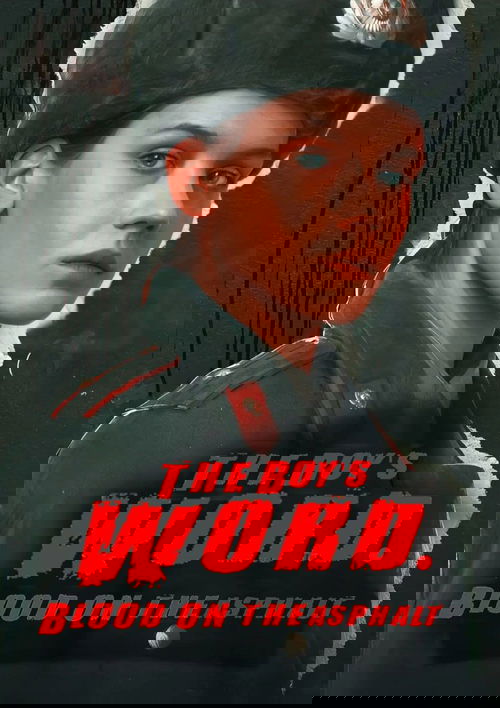
The Boy’s Word: Blood on the Asphalt
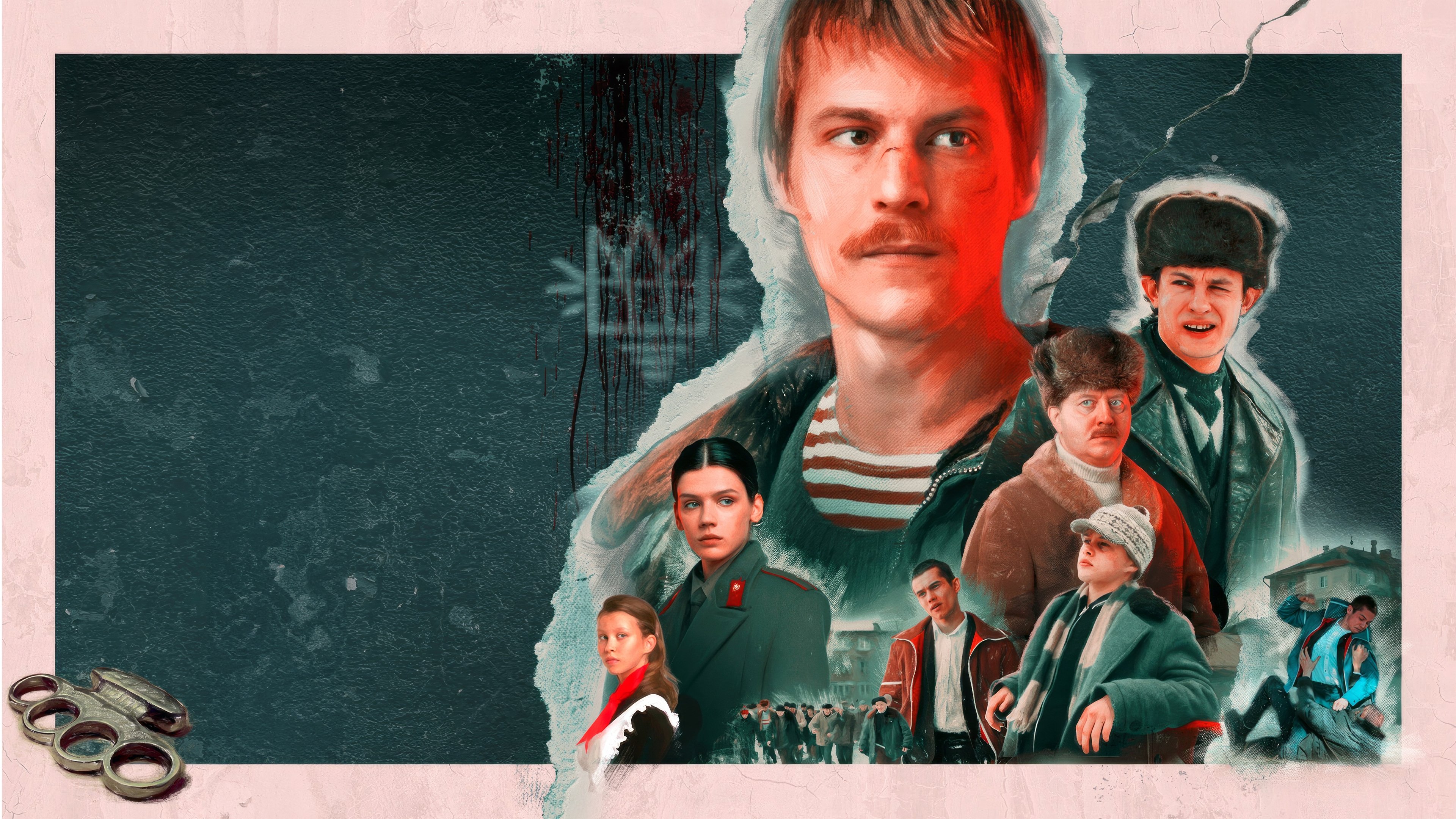
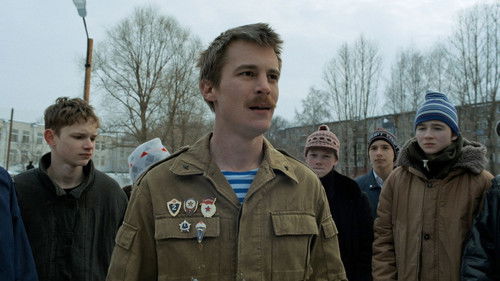
In the late 1980s, when “perestroika” was taking place in the USSR and the era of the Soviet Union was about to collapse, life became unstable and very different. The 1980s brought not only freedom, but also waves of crime on the city streets. While some young people began to ‘grow up’ on the streets, others found it difficult to find their place in this unpredictable reality. Andrey, lives with his mother and five-year-old sister. He studies at a music school and often encounters street teenagers who harass him. To protect himself, Andrey makes friends with one of these teenagers, Marat, who introduces him to gang life. Youth groups fight for every piece of territory; they defend their right to live the life, even breaking laws and promises. The only thing that matters to them is the vows they make to their gang members-brothers, with whom they confront the violence and fears of the adult world.
Episodes

Episode 1
A step outside. Quiet 14-year-old Andrei meets kids who are far from his circle. With them behind him, no school…
Episode 2
A completely different disco. Marat's brother returns from military service. The world has changed, and Vova's plans extend far beyond…

Episode 3
One fist is a threat, but ten is trouble. Someone has to answer for the fate of one of the…

Episode 4
Just like in the movies. Marat and his friends rescue Vova from the hospital and buy themselves some time to…

Episode 5
Honest business. Andrei's new idea attracts the attention of the streets, which see everything. But even under their strict supervision,…

Episode 6
The streets are unforgiving. Vova, Marat, and Zima conceal the details of their meeting with the Dombytovs, as the consequences…
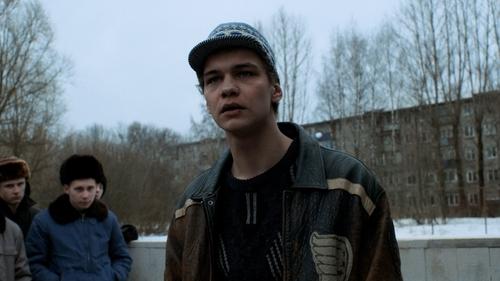
Episode 7
Andrei is looking for ways to protect his family. Punishment is already hot on Vova's heels, but there is still…
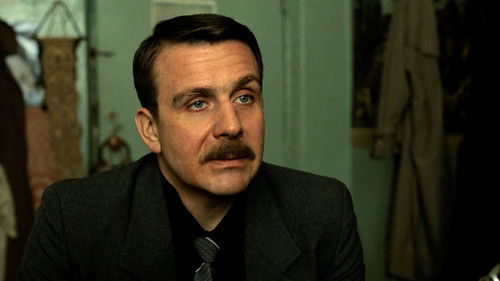
Episode 8
Some gave up, some gave in. To move forward, you have to leave the streets behind. But once you give…








IDOLSPOILER.COM Review
"The Boy's Word: Blood on the Asphalt" is not merely a crime drama; it's a meticulously crafted excavation of a society in flux, a brutal coming-of-age narrative etched in the grime of late 1980s Soviet collapse. The series doesn't just present a period; it immerses us in the visceral disorientation of "perestroika," where the promise of freedom curdled into pervasive lawlessness.
The direction here is unflinching, a stark, almost documentary-like gaze that refuses to romanticize its subjects. We see the crumbling infrastructure mirroring the crumbling social order, and the camera lingers on the desperation in the eyes of these young men. It’s a deliberate stylistic choice that elevates the narrative beyond simple genre tropes, transforming street fights into desperate ballets of survival. The screenplay, while occasionally leaning into familiar gang archetypes, largely succeeds in rendering complex motivations. Andrey's reluctant descent, befriending Marat purely for protection, is a compelling entry point, highlighting the stark choices available when societal safety nets vanish. The series understands that innocence isn't lost gradually; it's often violently ripped away.
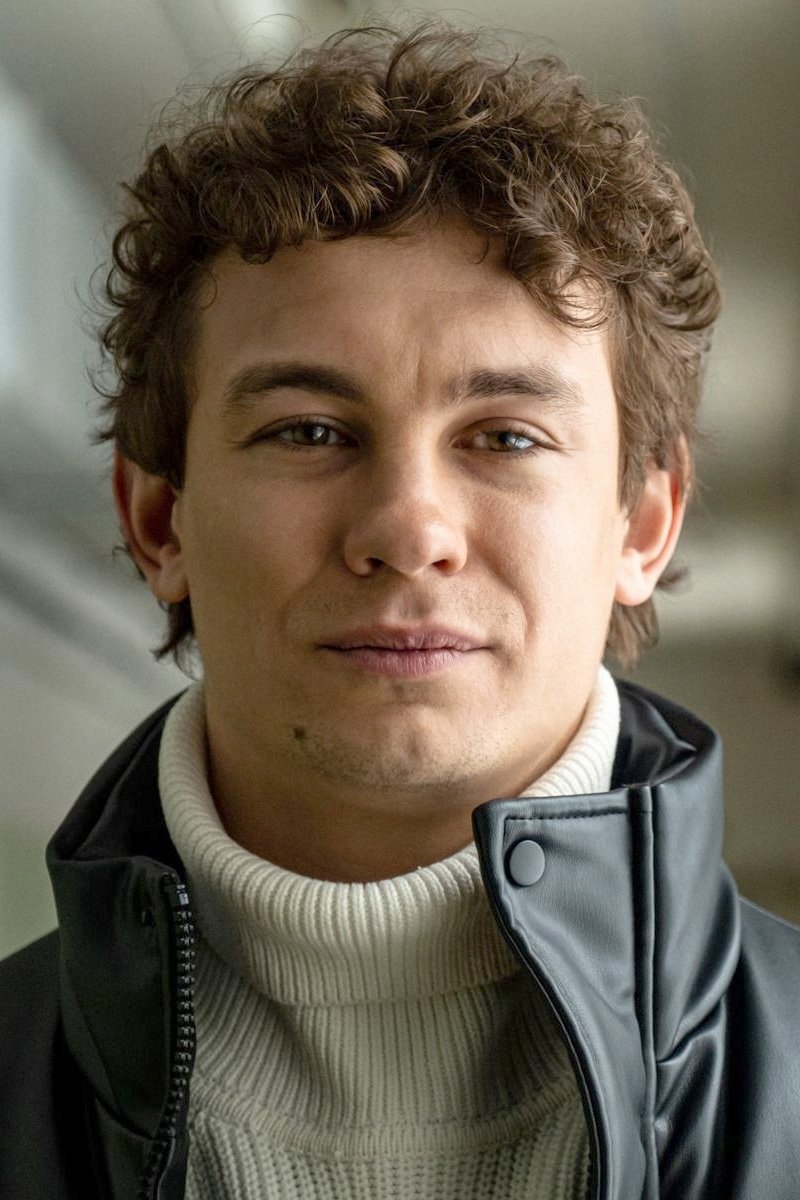
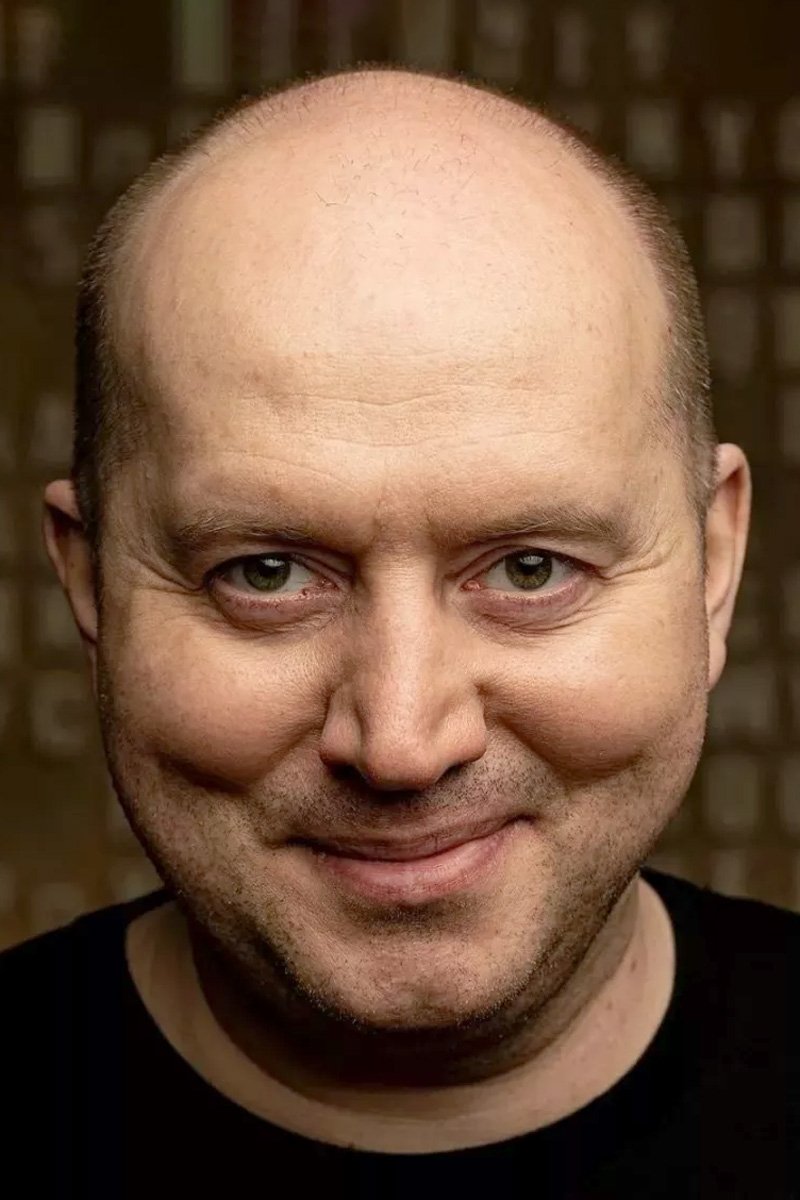
Performances are the backbone of this brutal world. Ivan Yankovsky and Ruzil Minekaev deliver particularly potent portrayals, their youthful bravado barely concealing an underlying terror. Leon Kemstach, as Andrey, navigates the moral quicksand with a heartbreaking vulnerability that grounds the escalating violence. However, while the central male performances are undeniably strong, some of the female characters, particularly those intended to represent moral anchors or victims, occasionally feel underdeveloped, serving more as plot devices than fully fleshed-out individuals. This is a subtle but noticeable weakness, preventing the narrative from achieving a truly panoramic view of the era's impact.
Ultimately, "The Boy's Word" is a challenging, often uncomfortable watch, but its commitment to portraying a specific historical moment with such raw authenticity makes it essential. It forces us to confront the human cost of political upheaval and the desperate measures individuals take when the world around them offers only chaos. While it stumbles slightly in its broader character development for some, its unflinching gaze and powerful central performances make it a significant piece of cinematic art, demanding our attention and reflection.