Fallout
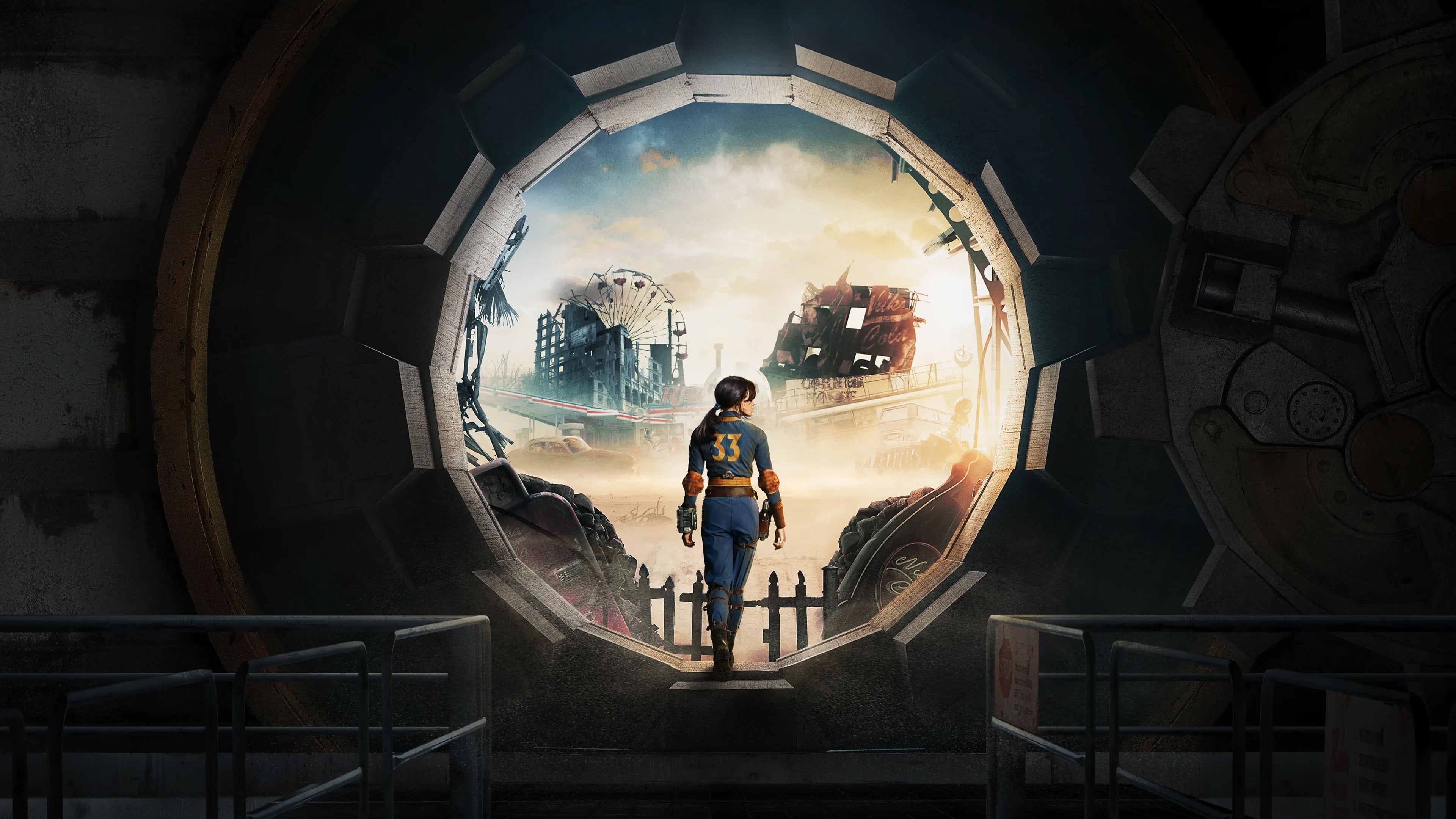
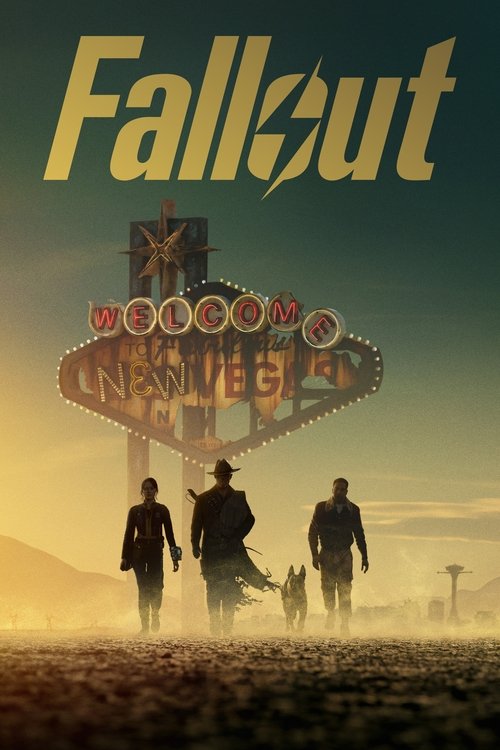
The story of haves and have-nots in a world in which there’s almost nothing left to have. 200 years after the apocalypse, the gentle denizens of luxury fallout shelters are forced to return to the irradiated hellscape their ancestors left behind — and are shocked to discover an incredibly complex, gleefully weird, and highly violent universe waiting for them.
Episodes
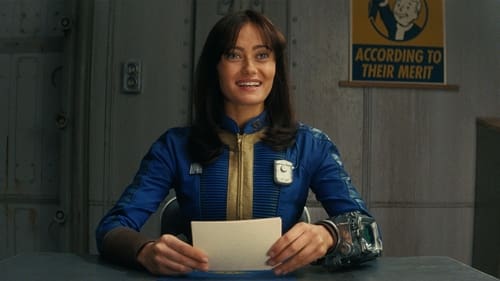
The End
Okey dokey...
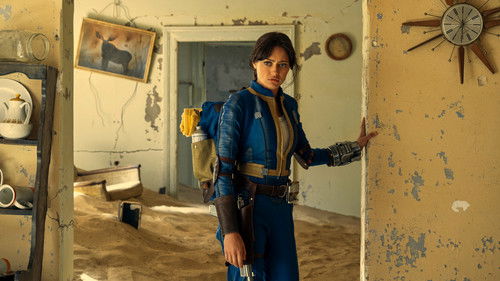
The Target
I know life can't have been easy up here...
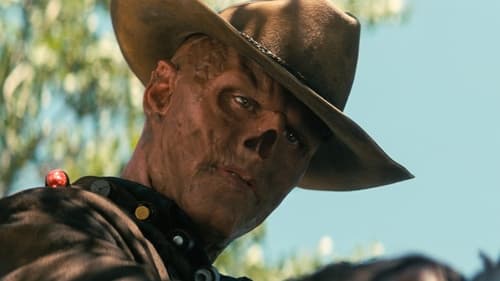
The Head
The Wasteland's got its own Golden Rule...
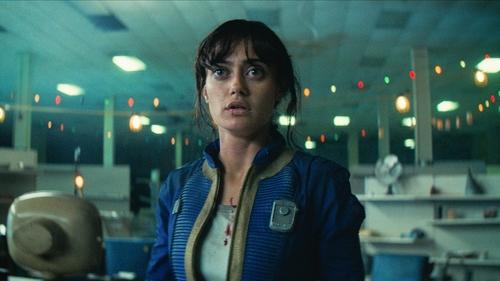
The Ghouls
Death to Management.
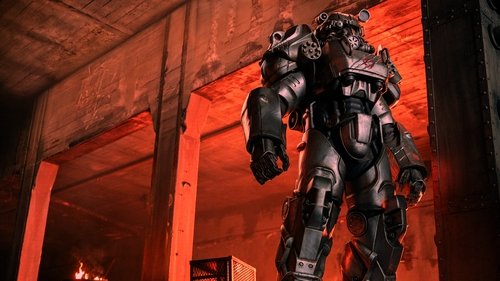
The Past
Everyone wants to save the world...
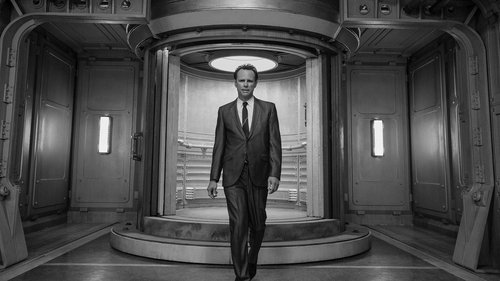
The Trap
What happens when the ranchers have more power than the Sheriff?
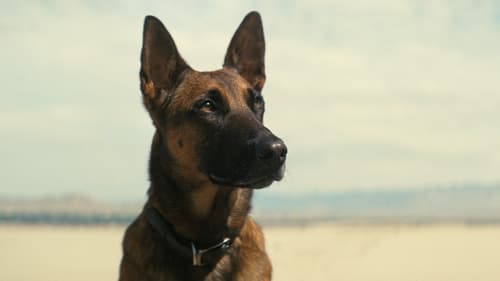
The Radio
Every generation has their own dumbass ideas...
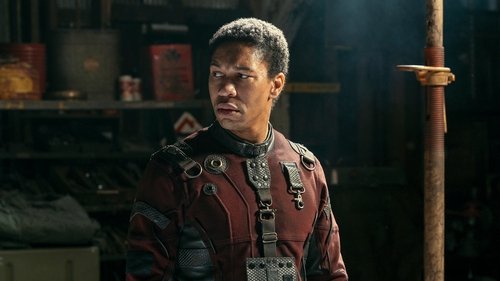
The Beginning
War...
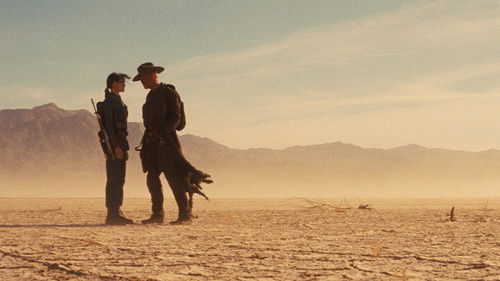
The Innovator
Every dollar spent is a vote cast.
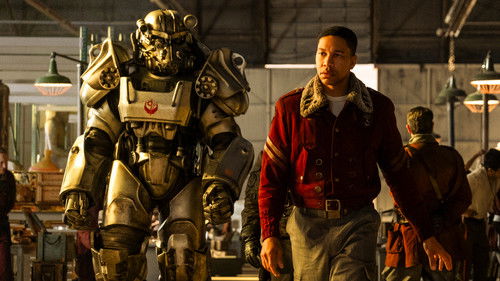
The Golden Rule
You can't put a price on family…
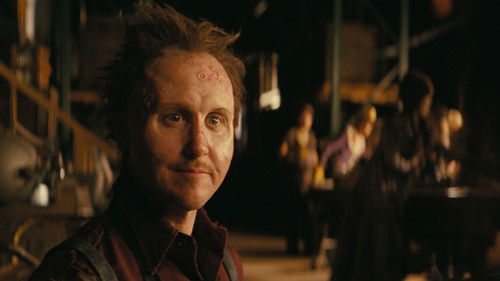
The Profligate
Most kids are dead by this age.
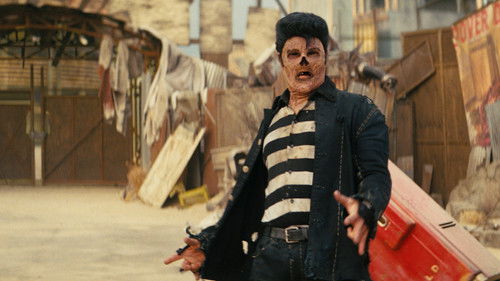
The Demon in the Snow
Rock to spear and so on...
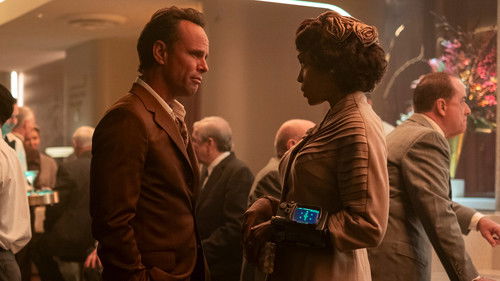
The Wrangler
Big Whoop.
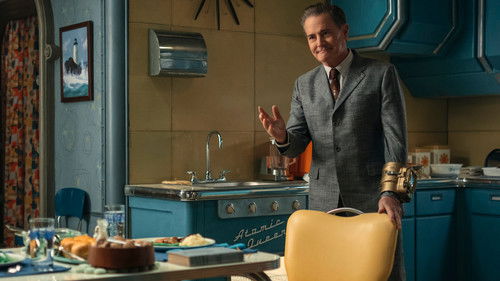
The Other Player
I remember good people.
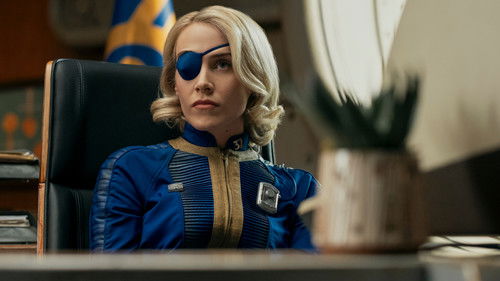
The Handoff
You always end up back where you started.
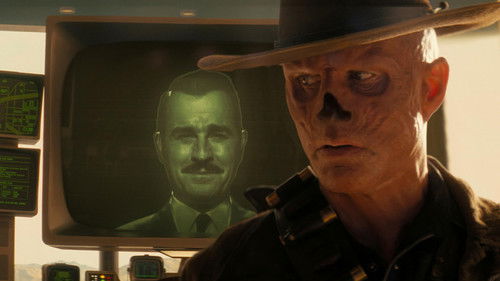
The Strip
Winning might be overrated...


Where to watch


IDOLSPOILER.COM Review
“Fallout,” Amazon’s recent foray into the post-apocalyptic, is a curious beast, a series that, on its surface, embraces the gleefully weird and violent, yet subtly probes the rot beneath the surface of societal collapse. It’s not merely an adaptation; it’s a reinterpretation, an attempt to translate the sprawling, darkly comedic absurdity of its video game origins into a compelling narrative art form.
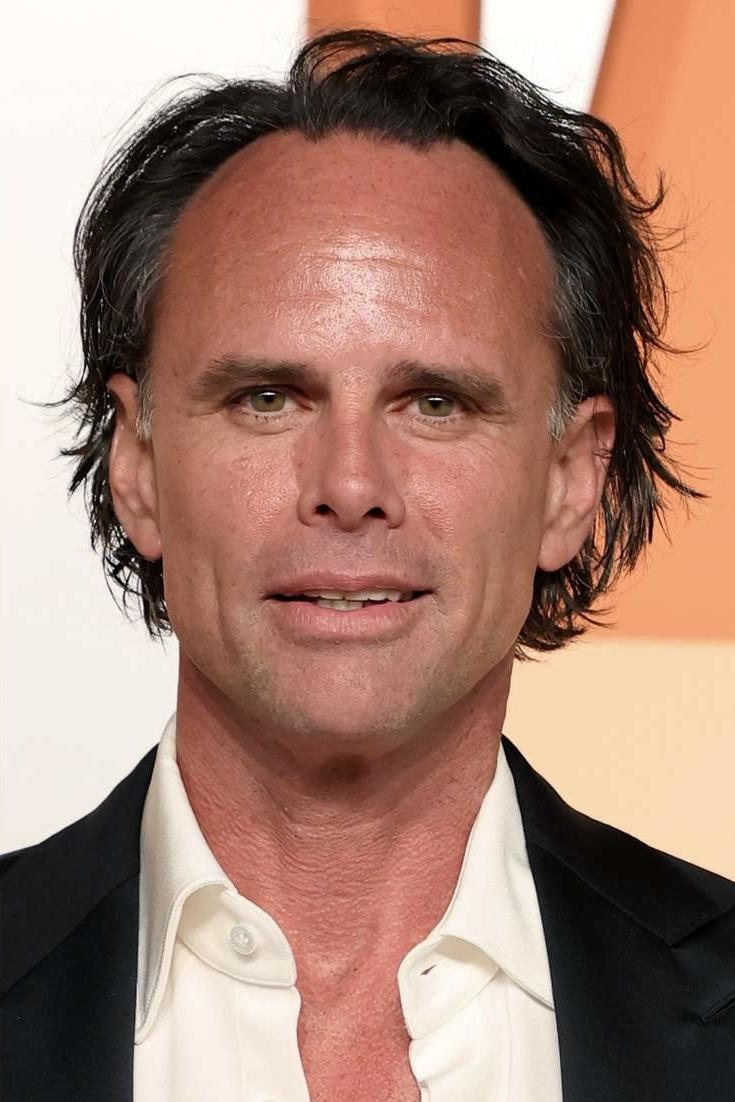
The direction, under the guiding hands of a diverse team, manages to balance the grandiose spectacle of a blasted wasteland with intimate character moments. Specific camera choices, like the frequent wide shots emphasizing the desolation against the small, vulnerable figures of the protagonists, are not just pretty pictures; they are visual metaphors for humanity’s diminished stature. Yet, it’s in the screenplay where “Fallout” truly shines, or at times, stumbles. The core conceit—the collision of sheltered innocence with brutal reality—is a rich vein, and the dialogue often sparkles with a gallows humor that feels authentic to a world gone mad. Walton Goggins, as the Ghoul, embodies this perfectly; his performance is a masterclass in controlled chaos, a scarred oracle whose every line is laced with a cynical wisdom earned through unimaginable suffering. Ella Purnell’s Lucy, conversely, navigates the world with a wide-eyed naivete that could easily become grating, but Purnell imbues her with an earnestness that makes her journey of disillusionment genuinely affecting.
However, the narrative, while ambitious in its world-building, occasionally suffers from an uneven pace. Certain subplots, particularly those involving the Brotherhood of Steel, feel less organically woven into the main tapestry and more like obligatory fan service, disrupting the flow. This is where the series, despite its artistic aspirations, sometimes leans too heavily into entertainment tropes rather than fully committing to its deeper thematic explorations of class, survival, and the enduring folly of man. While the visual design is impeccable, often evoking a retro-futuristic aesthetic that is both nostalgic and disturbing, some of the violence, while integral to the world, occasionally veers into the gratuitous without always serving a profound narrative purpose.
Ultimately, “Fallout” is a series that dares to be more than just a genre piece. It’s a compelling, if imperfect, exploration of what remains when everything is lost, anchored by strong performances and a vision that, despite its occasional missteps, respects the intelligence of its audience. It’s a world worth visiting, even if you’ll need a stiff drink afterwards.