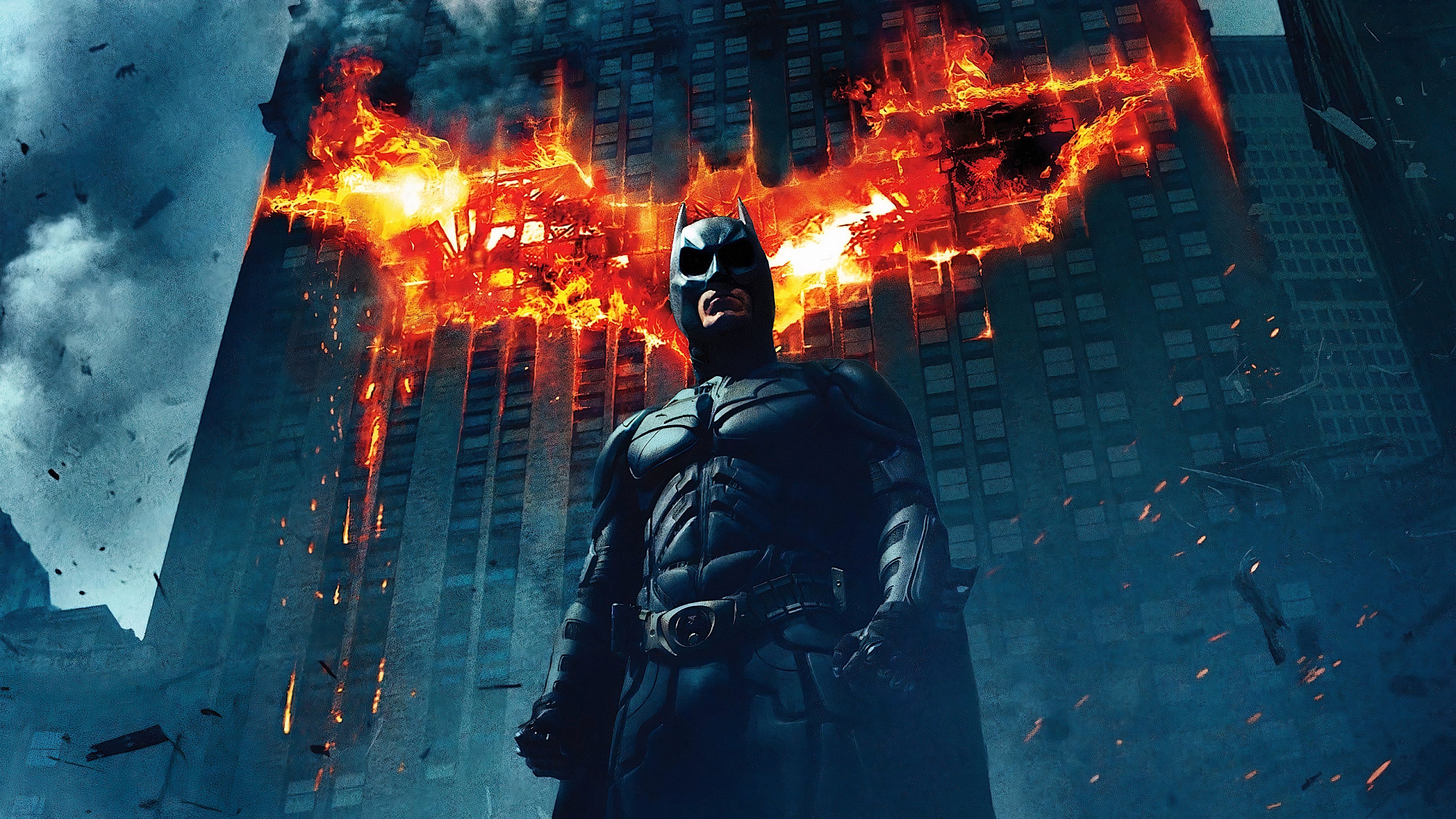
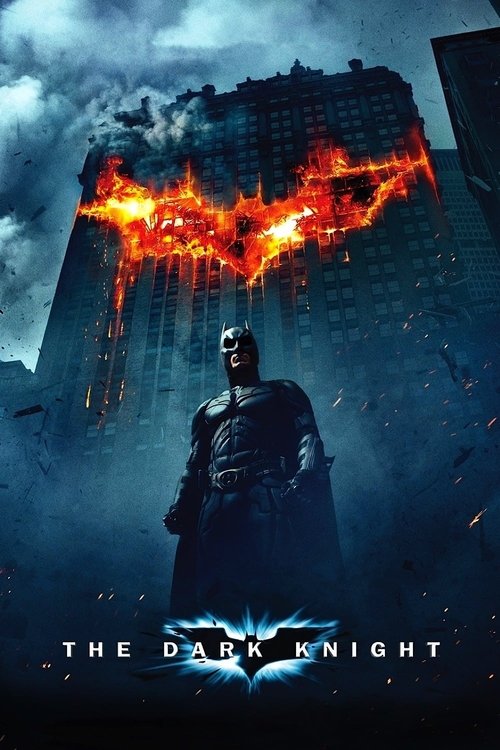
The Dark Knight
Batman raises the stakes in his war on crime. With the help of Lt. Jim Gordon and District Attorney Harvey Dent, Batman sets out to dismantle the remaining criminal organizations that plague the streets. The partnership proves to be effective, but they soon find themselves prey to a reign of chaos unleashed by a rising criminal mastermind known to the terrified citizens of Gotham as the Joker.



Where to watch


IDOLSPOILER.COM Review
Christopher Nolan’s “The Dark Knight” isn't merely a superhero film; it’s a brutalist architectural study of societal decay, where the caped crusader is less a hero and more a necessary, yet inherently flawed, symptom of Gotham’s spiritual illness. This is cinema that dares to ask uncomfortable questions, even if its answers sometimes feel a touch too neat.
Nolan’s direction here is a masterclass in controlled chaos. He orchestrates a sprawling narrative, juggling multiple moral quandaries with a precision that belies the film’s immense scale. The cinematography, particularly in the IMAX sequences, isn't just about spectacle; it grounds the fantastical in a chilling realism, making every explosion, every punch, feel visceral and consequential. This isn't a brightly lit comic book world; it's a city perpetually shrouded in a twilight gloom, reflecting the moral ambiguity at its core.
Heath Ledger’s Joker remains the film’s undeniable gravitational pull. It’s not just a performance; it's a terrifying embodiment of nihilism, a force of nature that exposes the fragility of order. Ledger doesn’t play a villain; he *is* the void, and his interactions with Christian Bale’s Batman are less battles and more philosophical duels. Bale, in turn, portrays a Batman burdened by his crusade, his voice a gravelly testament to the toll of his choices. Aaron Eckhart's Harvey Dent is equally compelling, his descent into Two-Face a tragic illustration of how easily ideals can be corrupted when pushed to their breaking point.
However, the film, for all its brilliance, isn’t without its stumbles. The narrative, while ambitious, occasionally sacrifices emotional depth for thematic breadth. Some supporting characters, particularly Maggie Gyllenhaal’s Rachel Dawes, feel more like plot devices than fully fleshed-out individuals, existing primarily to fuel the male protagonists' arcs. This is a common pitfall in epic storytelling, where the grandiosity of the ideas can sometimes overshadow the nuances of human connection.
Ultimately, "The Dark Knight" transcends its genre. It’s a film that demands reflection, challenging us to consider the true cost of justice and the seductive allure of anarchy. It’s imperfect, yes, but its ambition and its lasting impact on cinematic discourse secure its place as a significant work of art.