










Where to watch


IDOLSPOILER.COM Review
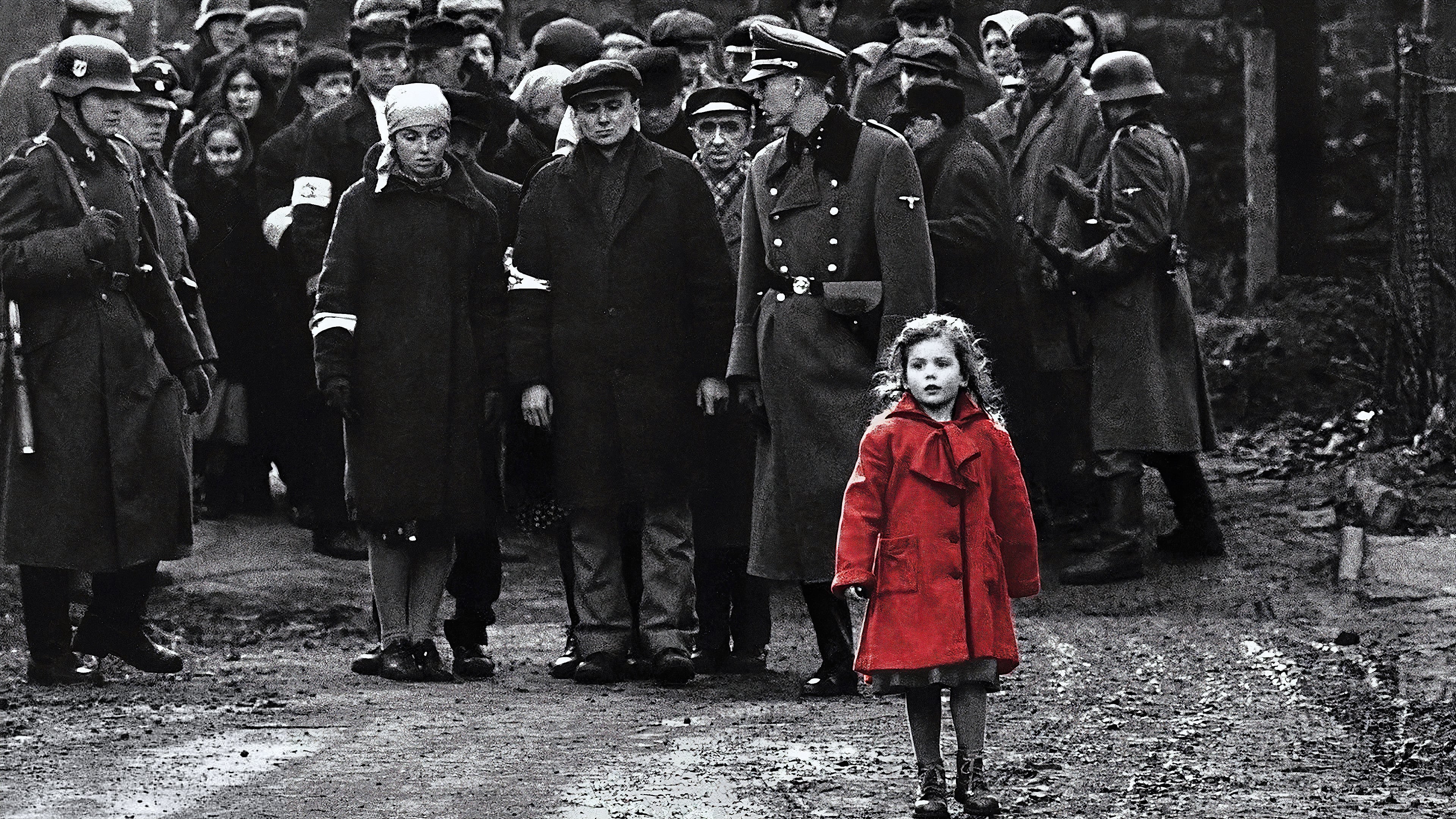
Steven Spielberg’s *Schindler’s List* is not merely a film; it is a cinematic confrontation with humanity’s darkest hour, a stark monochrome canvas illustrating the moral ambiguities of survival and salvation. Shot predominantly in black and white, this aesthetic choice is far from a gimmick; it strips away the comfortable distance of color, forcing the viewer into a raw, almost documentary-like immediacy. The single splash of color—the little girl in the red coat—becomes a haunting, indelible symbol, a splash of life and innocence brutally extinguished, a detail Spielberg wields with devastating precision.
Liam Neeson’s portrayal of Oskar Schindler transcends simple character acting; it's an evolution from opportunistic profiteer to reluctant, then fervent, savior. Neeson masterfully navigates Schindler's internal transformations, his gaze shifting from calculated indifference to profound anguish. Ralph Fiennes as Amon Goeth, however, is the film's chilling counterpoint. Fiennes doesn't play a caricature of evil; he embodies a casual, bureaucratic malevolence that is far more terrifying than any theatrical villain. His performance underscores the banality of evil, making Goeth a figure of terrifying realism rather than melodramatic villainy.
Janusz Kamiński’s cinematography is a masterclass in evoking atmosphere and emotion. The handheld shots during the liquidation of the ghetto plunge us directly into the chaos, while the somber, deliberate compositions convey the immense weight of the atrocities. Yet, for all its artistic might, the film occasionally stumbles. While the narrative of Schindler’s redemption is undeniably powerful, some might argue that the focus on his journey, while compelling, risks overshadowing the myriad individual stories of suffering and resilience within the Jewish community. The victims, at times, feel more like a collective backdrop against which Schindler’s heroism shines, rather than fully fleshed-out individuals whose stories deserve equal weight.
Despite this minor imbalance, *Schindler's List* remains an essential, albeit arduous, viewing experience. It is a testament to cinema’s capacity not just to entertain, but to bear witness, to challenge, and to remind us of the profound responsibility that comes with being human. It demands our attention, not as a historical lesson, but as a visceral reminder of what we are capable of, both in destruction and in profound grace.