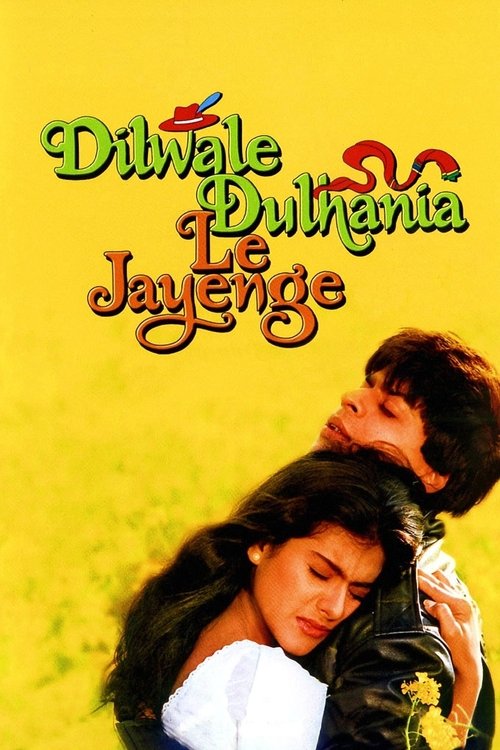
Dilwale Dulhania Le Jayenge
Raj is a rich, carefree, happy-go-lucky second generation NRI. Simran is the daughter of Chaudhary Baldev Singh, who in spite of being an NRI is very strict about adherence to Indian values. Simran has left for India to be married to her childhood fiancé. Raj leaves for India with a mission at his hands, to claim his lady love under the noses of her whole family. Thus begins a saga.





Where to watch


IDOLSPOILER.COM Review
To dismiss Aditya Chopra’s 1995 phenomenon, *Dilwale Dulhania Le Jayenge*, as mere romantic fluff would be to overlook its cunning cultural commentary, however sugar-coated. This film, ostensibly a grand love story, is in fact a meticulous study of tradition versus modernity, cloaked in the vibrant hues of Bollywood escapism.
Chopra, in his directorial debut, crafts a narrative that, while predictable in its romantic arc, shrewdly navigates the anxieties of the Indian diaspora. Raj (Shah Rukh Khan), the "happy-go-lucky second generation NRI," embodies a certain Westernized freedom, a stark contrast to Simran (Kajol), whose father, Chaudhary Baldev Singh (Amrish Puri), fiercely clutches to "Indian values." The film’s enduring appeal lies not just in the undeniable chemistry between Khan and Kajol, but in its audacious proposition: can love truly conquer deeply ingrained cultural expectations, or must it merely adapt to them?
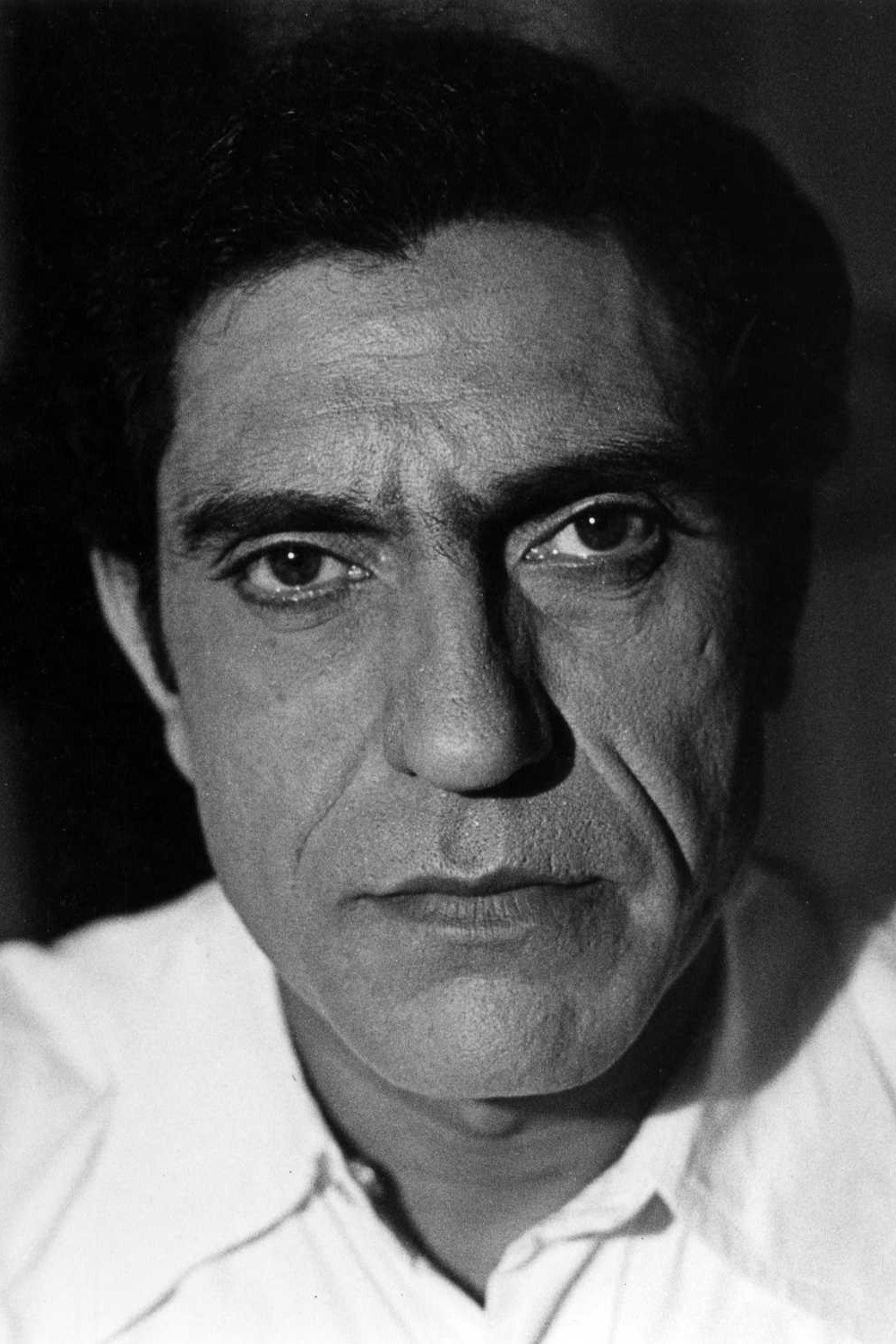
The screenplay, while often leaning into broad comedic strokes and saccharine declarations, subtly interrogates the very concept of "honor." Raj's mission to "claim his lady love under the noses of her whole family" is less about defiance and more about proving his worth within the established patriarchal framework. The tension is palpable in scenes where Puri’s stern gaze dominates the frame, a visual representation of the unyielding tradition Simran is bound by. However, the film's weakness emerges in its ultimate capitulation. While it teases a radical break, it ultimately reinforces the idea that true love must still receive paternal blessing, a concession that, while culturally resonant, feels like a missed opportunity for a bolder statement on individual autonomy.
Performances are largely what elevate the material. Khan's effortless charm and Kajol's effervescent vulnerability are the engine of the film, making even the most contrived situations believable. Puri, as the formidable patriarch, delivers a performance of quiet power, his internal conflict subtly etched on his face. Cinematography, though not groundbreaking, effectively utilizes the picturesque European landscapes to symbolize freedom, contrasting them with the more grounded, traditional Indian settings.
Ultimately, *Dilwale Dulhania Le Jayenge* is a cultural touchstone that, despite its narrative compromises, offers a fascinating glimpse into the evolving identity of Indians both at home and abroad. It’s a film that demands a re-evaluation beyond its surface-level romance, revealing a shrewd understanding of societal pressures veiled behind a captivating love story. It’s not perfect, but its impact is undeniable, proving that even a seemingly simple romance can carry significant cultural weight.